Arabic Ornamental Seamless Patterns
Arabic ornamental seamless patterns offer a blend of traditional artistry and modern design versatility. These intricate designs, often inspired by Islamic geometric and floral motifs, are created to repeat seamlessly without visible seams or breaks. This makes them ideal for a wide range of applications, from textiles and interior decor to digital media and stationery.
What Are Arabic Ornamental Seamless Patterns?
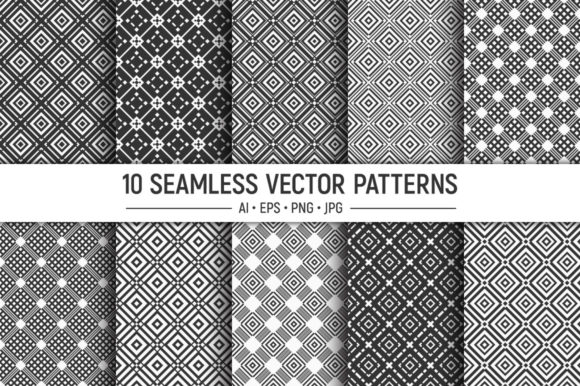
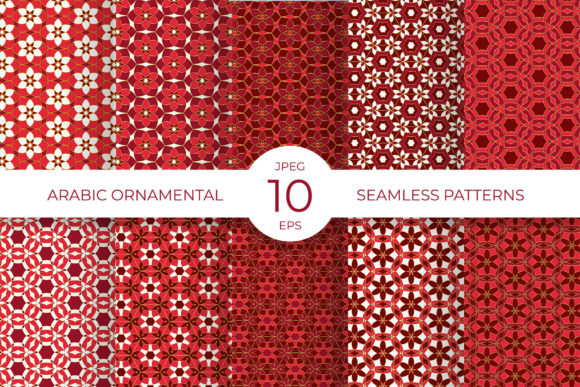
Arabic ornamental seamless patterns are digital design files that feature repeating motifs rooted in the rich artistic heritage of the Arab world. These patterns often incorporate elements like arabesques, calligraphy, and intricate geometric shapes, all rendered in a way that allows them to be used continuously across surfaces. The set described here includes 10 elegant patterns in blue and mint colors with gold strokes, offering a sophisticated aesthetic that can elevate any project.
The collection comes with high-resolution files in both EPS and JPEG formats, ensuring they are suitable for professional use. Each file is 6000x5200 pixels at 300dpi, making them ideal for print and digital applications alike. All files are packaged in a .zip archive, providing an organized and easy-to-use format.
Why Different Audiences Care About These Patterns
For many, the appeal of Arabic ornamental seamless patterns lies in their ability to add cultural depth and visual interest to creative projects. However, the value these patterns bring can vary depending on the user's background, goals, and needs.
Beginners may find the patterns useful for learning about traditional design elements and how they can be adapted for modern use. They might explore how to apply these patterns to simple projects like greeting cards or digital paper. For experienced users, the focus could be on how these patterns integrate into more complex designs, such as fabric prints or interior décor schemes.
Practical Uses for Different Users
Creators and designers often look for unique, high-quality assets that can enhance their work. For a graphic designer working on a branding project, these patterns could provide a distinctive visual element that reflects cultural authenticity. A textile artist might use them to create custom fabrics for clothing or home decor, while an interior designer could incorporate them into wall coverings or upholstery.
Entrepreneurs and small business owners may see value in using these patterns for products like stationery, packaging, or digital downloads. The high-resolution files ensure that the designs maintain quality when printed or shared online. For educators, these patterns could serve as teaching tools to introduce students to the history and techniques of traditional Arab art.
Hobbyists and DIY enthusiasts might enjoy using the patterns for personal projects, such as scrapbooking, handmade cards, or decorative home items. The gold strokes add a touch of elegance, making the patterns suitable for both casual and formal settings.
Key Considerations for Different Users
When evaluating whether Arabic ornamental seamless patterns meet their needs, users should consider factors like ease of use, cost, quality, and flexibility. Beginners may prioritize simplicity and accessibility, looking for patterns that are easy to apply and modify. Professionals, on the other hand, may focus on the resolution, file format, and compatibility with their design software.
Cost is another important factor. While the digital nature of these files means there’s no physical product to ship, users should ensure they understand the licensing terms and any restrictions on commercial use. Quality is essential for those planning to use the patterns in professional or high-profile projects, where even minor flaws can be noticeable.
Examples for Various User Types
A blogger creating content about cultural design might use these patterns as background elements for articles or social media posts, adding visual interest while staying true to the theme. A marketer developing a campaign for a luxury brand could incorporate the patterns into promotional materials, leveraging their elegance and sophistication.
An educator teaching a course on global design traditions might use the patterns to illustrate historical influences and modern adaptations. A small business owner selling digital products could include these patterns in downloadable templates, offering customers a ready-made design solution.
Choosing the Right Pattern for Your Needs
Determining whether Arabic ornamental seamless patterns align with your goals requires understanding your specific project requirements. If you're working on a design that benefits from a traditional yet modern aesthetic, these patterns could be an excellent choice. However, if your project demands a more minimalist or abstract style, they may not be the best fit.
Consider the intended audience of your work as well. For instance, a wedding invitation designer might appreciate the ornate details of these patterns, while a tech startup looking for a clean, modern look might prefer something simpler. Always test the patterns in your workflow to ensure they meet your expectations in terms of usability and visual impact.