Ornament Patterns for Textile Printing and Creative Design
Ornament patterns are a fundamental element in the world of textile design, offering a structured yet versatile way to create visually appealing and cohesive designs. Whether you're working on fabric, bags, surface prints, or other creative projects, understanding how to use and implement ornament patterns can significantly enhance your workflow. These patterns provide a foundation for consistent, high-quality output that aligns with professional standards and aesthetic expectations.
What Are Ornament Patterns?
Ornament patterns refer to repeating motifs or designs that form the basis of a larger composition. In textile printing, these patterns serve as templates that can be applied across surfaces without distortion or loss of quality. They are commonly used in fashion, home décor, stationery, and more. The key advantage of using ornament patterns is their ability to maintain visual harmony while allowing flexibility in scale, color, and application.
For professionals and creators, ornament patterns are not just decorative elements—they are tools that streamline the design process, ensure consistency, and support efficient production workflows. Whether you're an entrepreneur looking to launch a product line or a designer seeking to refine your craft, integrating ornament patterns into your process can lead to better results and greater efficiency.
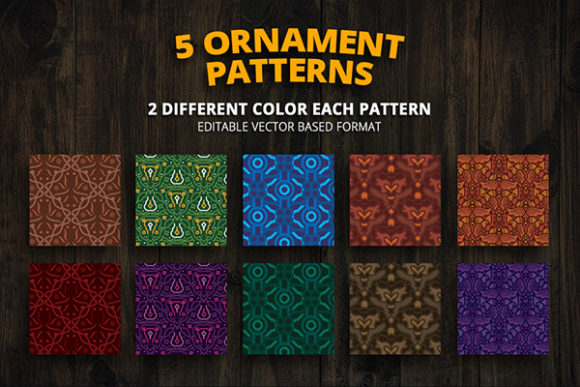
5 Ornament Patterns for Textile Printing
When selecting ornament patterns for textile printing, it's important to consider the intended use, the medium, and the desired outcome. Here are five popular ornament patterns that are ideal for fabric, bags, surface prints, and more:
- Floral Motifs – Classic and timeless, floral patterns add elegance and sophistication to any design. They work well for clothing, home textiles, and accessories.
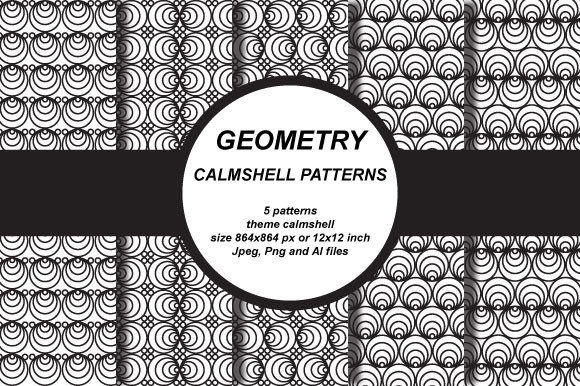
- Geometric Designs – Modern and versatile, geometric patterns offer a clean, structured look that fits well in contemporary styles and minimalist aesthetics.
- Botanical Elements – Inspired by nature, botanical patterns bring a fresh, organic feel to textiles. They are often used in eco-friendly or nature-themed collections.
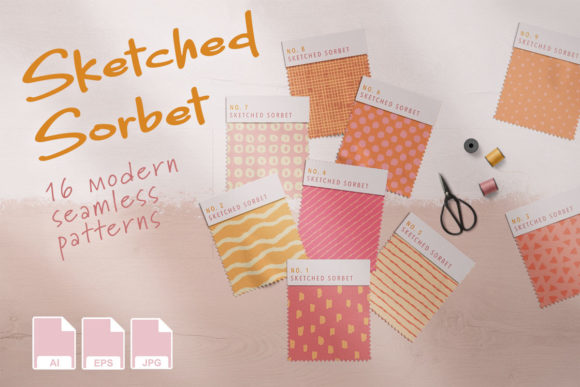
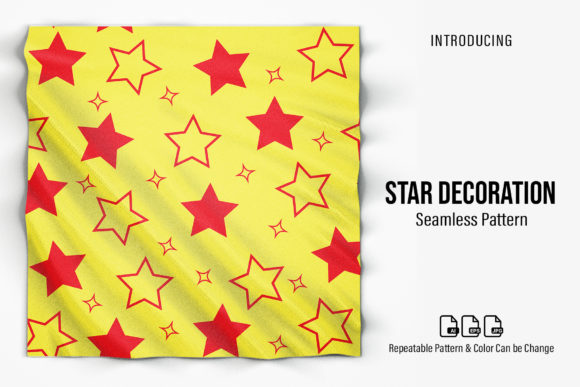
- Abstract Shapes – Abstract patterns allow for creative expression and experimentation. They are perfect for bold, eye-catching designs that stand out.
- Traditional Cultural Patterns – These patterns draw from historical or regional art traditions, adding depth and cultural significance to your designs.
High Quality Pattern Design: PAT and AI Files
To ensure that your ornament patterns meet professional standards, it's essential to work with high-quality design files. Two common formats used in textile design are PAT and AI files. PAT files are specifically designed for pattern repeats and are compatible with Adobe Illustrator. They allow for seamless tiling and easy customization. AI files, on the other hand, are vector-based and offer greater flexibility when editing and resizing designs.
When working with PAT files, it's important to note that they should be in CMYK color mode and set at 72 dpi. The tile size should not exceed 1152 x 1152 pixels to ensure compatibility and clarity. For AI files, you can open them as a swatches library and double-click the swatches to edit the pattern. This makes it easy to adjust colors, scale, and details without losing quality.
Whether you're using a PAT or AI file, the key benefit is the ability to resize the pattern without any loss of detail. This is particularly useful when designing for different applications, such as large-scale prints or small items like bags and accessories.
Integration into Your Workflow
Integrating ornament patterns into your workflow requires careful planning and organization. Before starting a project, consider the purpose of the pattern, the target audience, and the medium you'll be using. For example, if you're designing for fabric, you'll need to ensure that the pattern is suitable for the printing method, such as screen printing or digital printing.
During the design phase, use ornament patterns to maintain consistency across different elements of your project. This is especially important when creating a collection or branding materials. By using a shared set of patterns, you can ensure that all pieces have a cohesive look and feel.
After the design is complete, consider how the pattern will be applied in the final product. If you're working with a printer or manufacturer, provide clear instructions on the format, size, and color profile to avoid any issues during production. Always test the pattern on a sample before mass production to ensure quality and accuracy.
Practical Implementation Tips
Here are some practical tips to help you make the most of ornament patterns in your design process:
- Start with a Clear Vision – Define the purpose and style of your design before selecting or creating a pattern. This helps in choosing the right elements and avoiding unnecessary revisions.
- Use Vector Files for Flexibility – Vector-based files like AI allow for easy editing and scaling. This is especially useful when you need to adjust the size or modify the design later.
- Test Before Production – Always print a sample to check how the pattern looks on the actual material. This helps identify any issues with color, alignment, or scale.
- Organize Your Files – Keep your pattern files organized in a dedicated folder. This makes it easier to locate and reuse them in future projects.
- Stay Updated on Trends – Keep an eye on current design trends to ensure your patterns remain relevant and appealing to your audience.
Factors to Consider for Long-Term Use
When using ornament patterns for long-term projects or multiple products, there are several factors to consider:
- Consistency – Ensure that all patterns used in a collection or brand are consistent in style, color, and scale. This helps in building a recognizable identity.
- Compatibility – Check that your pattern files are compatible with the software and tools you use. This avoids technical issues during the design or production phase.
- Quality Control – Implement a quality control process to review all pattern applications before finalizing a project. This reduces errors and ensures a polished result.
- Scalability – Choose patterns that can be easily scaled up or down without losing detail. This is crucial for different product sizes and applications.
- Customization Options – Provide options for customizing patterns to suit different client needs or market demands. This increases the versatility and value of your designs.
Conclusion
Ornament patterns are a powerful tool in the textile design process, offering both aesthetic appeal and practical benefits. By understanding how to select, customize, and integrate these patterns into your workflow, you can enhance the quality and efficiency of your creative projects. Whether you're working on fabric, bags, or surface prints, high-quality pattern design in formats like PAT and AI ensures that your work meets professional standards and delivers exceptional results.