Watercolor Trees Seamless Patterns: A Strategic Design Resource for Creative Professionals
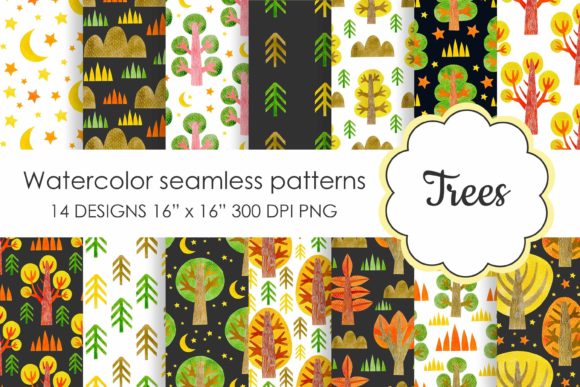
Watercolor Trees Seamless Patterns offer a versatile and visually appealing design solution that can enhance a wide range of creative projects. These patterns, available in high-resolution formats such as PNG and JPG, are ideal for sublimation, print design, stationery, and digital art. With 14 unique designs, each measuring 5000x5000 pixels at 300 dpi, they provide the flexibility needed for both large-scale and detailed applications.
For professionals and hobbyists alike, Watercolor Trees Seamless Patterns represent more than just aesthetic appeal—they are a strategic tool that can support branding, communication, and project execution. Understanding how to use these patterns effectively can lead to better outcomes, improved productivity, and stronger creative expression.
What Are Watercolor Trees Seamless Patterns?
Watercolor Trees Seamless Patterns are digital assets designed to repeat seamlessly across surfaces without visible seams or breaks. Each pattern features hand-drawn or digitally rendered tree motifs in soft, watercolor-style hues. The seamless nature of these designs allows them to be used in backgrounds, borders, and textures for a variety of design purposes.
The collection includes 14 distinct patterns, ensuring diversity in style while maintaining a cohesive theme. Whether you're creating a logo, designing a website, or producing printed materials, these patterns offer a consistent visual language that can be adapted to different needs.
Strategic Value of Watercolor Trees Seamless Patterns
When used intentionally, Watercolor Trees Seamless Patterns can serve as a powerful asset in several areas of business and creativity. They support branding by providing a unique visual identity that aligns with your message and audience. For entrepreneurs and marketers, this can mean a more memorable and professional appearance across all touchpoints.
In the context of product design, these patterns can help differentiate your offerings in a competitive market. For example, a small business selling custom greeting cards or stationery can use these patterns to create a signature look that sets their products apart. Similarly, designers working on packaging or promotional materials can leverage the patterns to enhance visual storytelling and customer engagement.
Planning and Positioning with Watercolor Trees Seamless Patterns
Before integrating Watercolor Trees Seamless Patterns into your workflow, it's important to consider your goals and target audience. Ask yourself: What message do I want to convey? How will these patterns support my brand’s identity? What type of projects will benefit most from their use?
For instance, if you're designing a series of party invitations, the soft, natural tones of the watercolor trees can evoke a sense of warmth and elegance. In contrast, if you're creating a digital scrapbook, the patterns can add depth and texture without overwhelming the composition.
Practical Applications and Use Cases
The versatility of Watercolor Trees Seamless Patterns makes them suitable for a wide range of applications. Here are some practical examples of how they can be used:
- Sublimation Design: Ideal for creating custom apparel, mugs, and other products that require high-quality, durable prints.
- Print and Poster Design: Enhance the visual appeal of posters, banners, and marketing materials with a natural, artistic backdrop.
- Stationery and Invitations: Add a touch of sophistication to wedding invitations, birthday cards, and event announcements.
- Digital Scrapbooking: Create visually rich layouts that reflect a personal or thematic story.
- Logo and Branding: Incorporate subtle elements of the patterns into logos or brand assets for a cohesive look.
Each of these applications requires careful consideration of color, scale, and placement. By planning ahead, you can ensure that the patterns enhance rather than distract from your overall design.
Decision-Making and Intentional Use
One of the key challenges in using Watercolor Trees Seamless Patterns is avoiding overuse or misapplication. Without clear goals, these patterns may become generic or lose their impact. To avoid this, it's essential to approach their use with intention and purpose.
Ask yourself: Will this pattern contribute to the desired outcome? Does it align with the tone and message of the project? If the answer is yes, then it’s worth incorporating. If not, consider alternative options that better suit your needs.
Additionally, think about the context in which the patterns will be used. A pattern that works well in a digital layout may not be suitable for a print project due to differences in resolution and color accuracy. Always test the patterns in their intended environment before finalizing your design.
Risks of Unplanned Use
Using Watercolor Trees Seamless Patterns without a clear strategy can lead to several issues. One common risk is visual clutter—overloading a design with too many patterns or elements can make it difficult to read or understand. This is especially true when combining multiple patterns or layering them with other graphics.
Another risk is inconsistency. If the patterns are not aligned with your brand’s visual identity, they may confuse your audience or weaken your message. It’s important to maintain a cohesive look across all materials to build trust and recognition.
Long-Term Value and Strategic Growth
When used thoughtfully, Watercolor Trees Seamless Patterns can contribute to long-term success. They offer a sustainable resource that can be reused across multiple projects, reducing the need for new design elements and saving time and effort.
For businesses focused on growth, these patterns can also support scalability. As your brand expands, having a library of high-quality, adaptable designs ensures that your visual identity remains consistent and professional, regardless of the project size or scope.
Conclusion: Embrace Watercolor Trees Seamless Patterns with Purpose
Watercolor Trees Seamless Patterns are more than just decorative elements—they are strategic tools that can enhance creativity, improve efficiency, and support business objectives. By understanding their potential and using them with intention, you can unlock new opportunities for innovation and success.
Whether you're a designer, entrepreneur, or content creator, these patterns offer a valuable addition to your toolkit. With careful planning and thoughtful application, they can help you achieve better results and elevate your work to the next level.