Plaid Patterns for Textile Printing: A Comprehensive Guide
When it comes to textile printing, especially for shirts, dresses, and formal wear, the choice of pattern plays a significant role in both aesthetics and functionality. Plaid patterns have long been a staple in fashion, offering a timeless and versatile design that can be adapted to various styles and occasions. For those looking to create high-quality prints, understanding what plaid patterns offer—particularly in terms of design, resolution, and compatibility—is essential.
What Are Plaid Patterns?
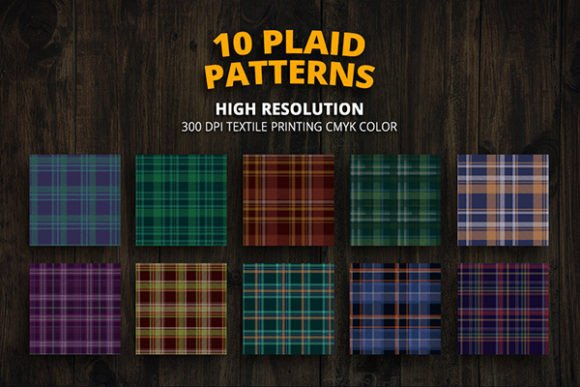
Plaid patterns are characterized by their intersecting horizontal and vertical lines in multiple colors, forming a grid-like structure. These patterns have roots in Scottish and Irish textiles and have since become a global symbol of classic style. In the context of textile printing, plaid patterns can be used on shirts, dress shirts, work shirts, and formal shirts to add visual interest and a sense of tradition.
For designers and manufacturers, plaid patterns often come in the form of digital files that are ready for print. These files typically include specifications such as resolution, color format, and tile size, ensuring that the pattern can be applied effectively across different fabric types and printing methods.
Key Features of High-Quality Plaid Patterns
When selecting plaid patterns for textile printing, several factors should be considered to ensure the final product meets quality expectations. One of the most important is the resolution of the pattern. High-resolution files, such as those at 300 dpi, provide clarity and detail that are essential for professional printing. This level of resolution ensures that the pattern appears sharp and well-defined when printed on fabric.
In addition to resolution, the color format is another critical consideration. Many plaid patterns are designed in CMYK (Cyan, Magenta, Yellow, Key/Black) to match standard printing processes. This color model is ideal for offset and digital printing, ensuring accurate color reproduction across different materials and environments.
The size of the tile is also an important factor. Larger tiles, such as 5000 x 5000 pixels, allow for more flexibility in how the pattern is repeated and scaled. This is particularly useful when printing on larger garments or when using the pattern in different applications, such as home décor or accessories.
What’s Included in a Plaid Pattern File?
A typical plaid pattern file may include several components to support its use in textile printing. One common format is the PAT file, which is used in Adobe Photoshop. These files are usually compatible with Photoshop CS6 and later versions, allowing designers to easily integrate the pattern into their workflow.
Additionally, some plaid pattern packages may include vector files, PNGs, or JPEGs for different uses. These formats can be helpful when working with various design software or when preparing files for different printing techniques. It’s important to review the contents of a pattern package to ensure it aligns with your specific needs and technical requirements.
Why Choose Plaid Patterns for Textile Printing?
There are several reasons why someone might choose plaid patterns for textile printing. First, plaid patterns offer a classic and recognizable design that can appeal to a wide range of consumers. This makes them a safe and effective choice for brands looking to create a consistent visual identity.
Another benefit is the versatility of plaid patterns. They can be adapted to different color schemes, making them suitable for both traditional and modern designs. Whether you're creating a vintage-inspired shirt or a contemporary dress, plaid patterns can be customized to fit your vision.
High-quality plaid patterns also provide a professional finish. With proper resolution and color settings, these patterns can enhance the overall look of a garment without appearing cheap or low quality. This is especially important for formal shirts, where attention to detail is crucial.
Situations Where Plaid Patterns Excel
Plaid patterns are particularly well-suited for certain types of clothing and design scenarios. For example, they are ideal for work shirts and formal shirts that require a polished and professional appearance. The structured nature of plaid patterns adds a sense of order and sophistication, making them a popular choice in corporate and business settings.
They also work well for seasonal collections, especially during fall and winter months when darker, more textured patterns are in demand. Plaid patterns can be paired with other elements, such as solid colors or stripes, to create a layered and dynamic look that appeals to diverse audiences.
Considerations and Tradeoffs
While plaid patterns offer many advantages, there are also considerations to keep in mind. One potential tradeoff is the complexity of the pattern itself. Some plaid designs may be too intricate for certain printing methods, leading to issues with clarity or color accuracy. It’s important to test the pattern on a sample fabric before mass production to ensure it meets your standards.
Another consideration is the target audience. While plaid patterns have broad appeal, they may not be suitable for all fashion styles or markets. For example, minimalist or modern designs may not pair well with bold plaid patterns. Understanding your audience’s preferences can help you decide whether plaid is the right choice for your project.
Alternatives to Plaid Patterns
For those who are looking for alternatives to plaid patterns, there are several options to consider. Solid colors remain a popular choice for their simplicity and versatility. Stripes, checks, and geometric patterns are also common in textile printing and can offer similar visual impact without the complexity of plaid.
Additionally, abstract or custom-designed patterns can provide a unique and personalized look. These options may be more suitable for niche markets or experimental designs. However, they often require more time and resources to develop, which could be a factor in decision-making.
Practical Tips for Decision-Making
When evaluating plaid patterns for textile printing, start by defining your goals. Are you looking to create a classic design, a modern twist on a traditional pattern, or something entirely new? Understanding your objectives will help you choose the right pattern and file specifications.
Next, consider your technical capabilities. If you’re using Adobe Photoshop CS6 or later, make sure the pattern files you select are compatible with your software. Testing the pattern on a small scale before full production can also save time and resources in the long run.
Finally, take the time to compare different plaid patterns and their features. Look for high-resolution, CMYK-compatible files with large tile sizes to ensure the best results. By carefully evaluating your options, you can make an informed decision that aligns with your creative and practical needs.