Watercolor Teddy Seamless Patterns: A Creative Tool for Artists and Designers
Watercolor Teddy Seamless Patterns offer a unique blend of artistic charm and practical design. These patterns, featuring soft, hand-painted teddy bear motifs, are ideal for a wide range of creative projects. Whether you're a professional designer, a hobbyist, or a small business owner, understanding how to use these patterns effectively can elevate your work and save time. However, many people overlook key details that can impact the quality and usability of these designs.
What Are Watercolor Teddy Seamless Patterns?
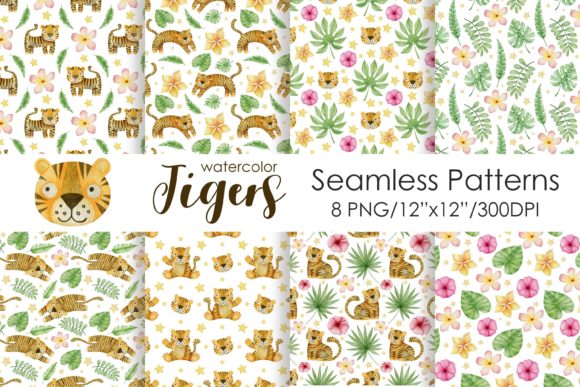
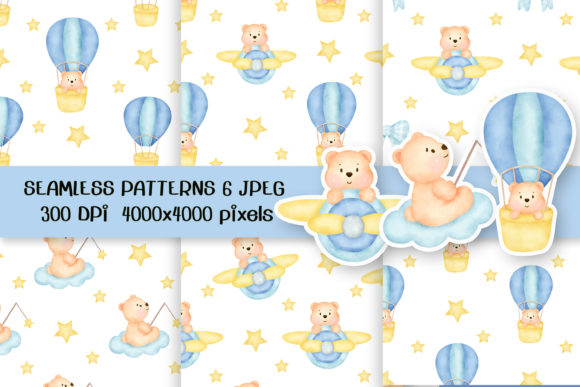
Watercolor Teddy Seamless Patterns are digital graphics designed to repeat without visible seams. They often feature whimsical teddy bear illustrations rendered in a watercolor style, making them perfect for backgrounds, textiles, stationery, and more. The seamless nature of these patterns allows them to be used across large areas without the need for manual tiling, which is especially useful for print and digital media.
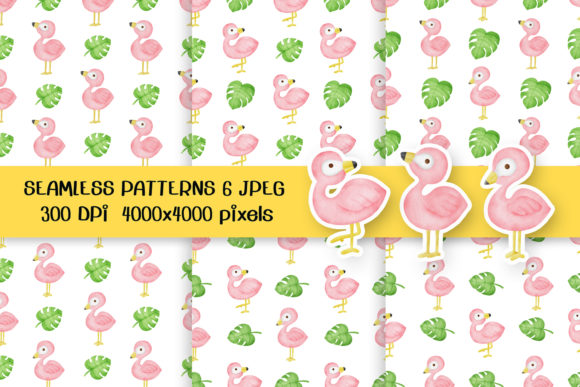
These patterns are typically available in high-resolution formats such as JPEG, ensuring they maintain clarity at any size. For example, a 4000×4000 pixel, 300 DPI file provides excellent detail for both digital and print applications. Understanding the technical specifications of these files is essential for maximizing their potential.
Common Mistakes When Using Watercolor Teddy Seamless Patterns
Many users make mistakes when selecting or applying Watercolor Teddy Seamless Patterns, which can lead to subpar results. One common error is not checking the resolution and dimensions of the file. A low-resolution image may look blurry when printed, while an improperly sized file can cause alignment issues during design.
Another frequent oversight is failing to test the pattern in different contexts. A design that looks great on a small canvas might not work well on a larger format. For instance, a seamless pattern used for a T-shirt design might appear too repetitive or lose its visual appeal when scaled up. Always preview the pattern in various sizes and settings before finalizing your project.
Ignoring File Format Compatibility
While Watercolor Teddy Seamless Patterns are often provided as JPG files, it's important to consider whether this format suits your needs. JPGs are great for web use and photography but may not be ideal for vector-based projects or those requiring transparency. If your design requires layers or alpha channels, you might need a different file type, such as PNG or EPS.
How to Avoid Common Pitfalls
To avoid these issues, start by thoroughly reviewing the product details before downloading or purchasing Watercolor Teddy Seamless Patterns. Look for information about the file size, resolution, and format. If the listing doesn’t provide this, reach out to the seller for clarification. This step can prevent wasted time and money on unusable files.
Additionally, take the time to experiment with the pattern in your design software. Many programs allow you to apply a seamless pattern to a canvas and see how it looks at different scales. This practice helps identify any flaws or inconsistencies that might not be obvious at first glance.
Key Considerations Before Using Watercolor Teddy Seamless Patterns
Before incorporating Watercolor Teddy Seamless Patterns into your work, ask yourself a few important questions. What is the intended use of the design? Will it be for print, digital media, or both? How will the pattern interact with other elements in your composition? Answering these questions can guide your selection and application process.
Also, consider the licensing terms. Some patterns may have restrictions on commercial use, so always verify that the file you’re using aligns with your project’s requirements. For example, if you plan to sell products featuring the pattern, ensure that the license permits this use to avoid legal complications.
Choosing the Right Tools for Your Workflow
Using Watercolor Teddy Seamless Patterns effectively often depends on the tools you choose. Design software like Adobe Photoshop, Illustrator, or even free alternatives like GIMP or Canva can handle these files, but each has its own strengths. Photoshop is excellent for detailed editing, while Canva offers a user-friendly interface for quick projects. Understanding which tool best fits your needs can streamline your workflow and improve results.
Best Practices for Working With Watercolor Teddy Seamless Patterns
Once you’ve selected the right pattern and tools, follow these best practices to get the most out of your design:
- Test the pattern at different scales to ensure it remains visually appealing and seamless.
- Use a high-resolution file to maintain quality in both digital and print formats.
- Check for compatibility with your design software and project requirements.
- Review licensing agreements to avoid legal issues down the line.
By following these steps, you can avoid many of the common pitfalls associated with Watercolor Teddy Seamless Patterns and create more polished, professional results.
Conclusion: Make Informed Choices for Better Outcomes
Watercolor Teddy Seamless Patterns can be a valuable addition to any creative project, but their success depends on careful selection and thoughtful application. By understanding the technical details, testing the patterns in real-world scenarios, and choosing the right tools, you can unlock their full potential. Avoiding common mistakes not only improves the quality of your work but also saves time and resources in the long run.
Whether you're a seasoned designer or just starting out, taking the time to evaluate and use these patterns correctly can lead to more satisfying and effective outcomes. With the right approach, Watercolor Teddy Seamless Patterns can become a reliable and versatile asset in your creative toolkit.